On December 30, 1906, something extraordinary happened along the Massachusetts coastline—something so quiet at the time that almost no one realized history was being made.
From a small station in Brant Rock, Massachusetts, Canadian-born inventor Reginald Fessenden transmitted what is widely recognized as the first radio broadcast of voice and music in the United States. Until that moment, wireless communication consisted mostly of coded signals—dots and dashes clicking across the airwaves, useful but limited.
What Fessenden sent that evening was different.
Instead of Morse code, listeners heard a human voice. They heard music. They heard scripture read aloud. According to accounts, Fessenden played a violin rendition of O Holy Night, read a passage from the Bible, and spoke directly to the people listening—mostly ship radio operators at sea who had expected nothing more than routine signals.
Imagine the surprise. Men accustomed to static and code suddenly heard music floating out of the darkness, carried by invisible waves. For the first time, sound itself traveled through the air without wires, reaching people miles away in real time.
The broadcast did not make headlines the next day. There were no crowds gathered to witness it, no immediate celebration. Radio as entertainment and mass communication would take years to develop. But the moment marked a turning point. It quietly opened the door to a future where voices, stories, news, and music could reach millions at once.
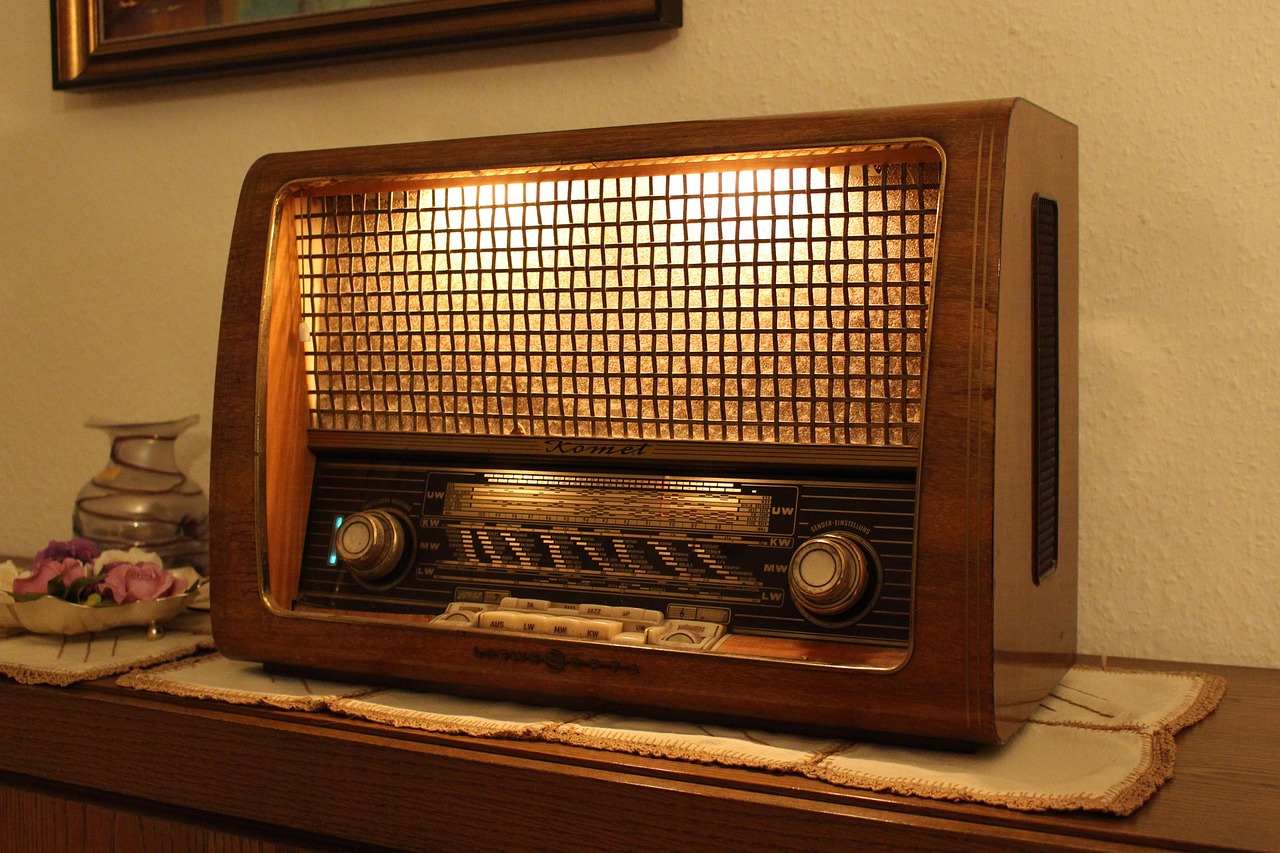
Within a few decades, radio would reshape American life. Families would gather around living-room sets to hear presidential speeches, baseball games, wartime updates, comedy shows, and evening dramas. Communities would share the same sounds at the same time, creating a new sense of national connection.
All of that traces back to this December evening in 1906.
Today, in an age of instant streaming and endless content, it can be difficult to appreciate how revolutionary that first broadcast was. Yet it reminds us that some of the most world-changing moments arrive quietly—without fanfare, without certainty, and without anyone knowing how far their effects will reach.
On this day in history, the air itself learned how to carry a human voice. And the world was never quite the same again.