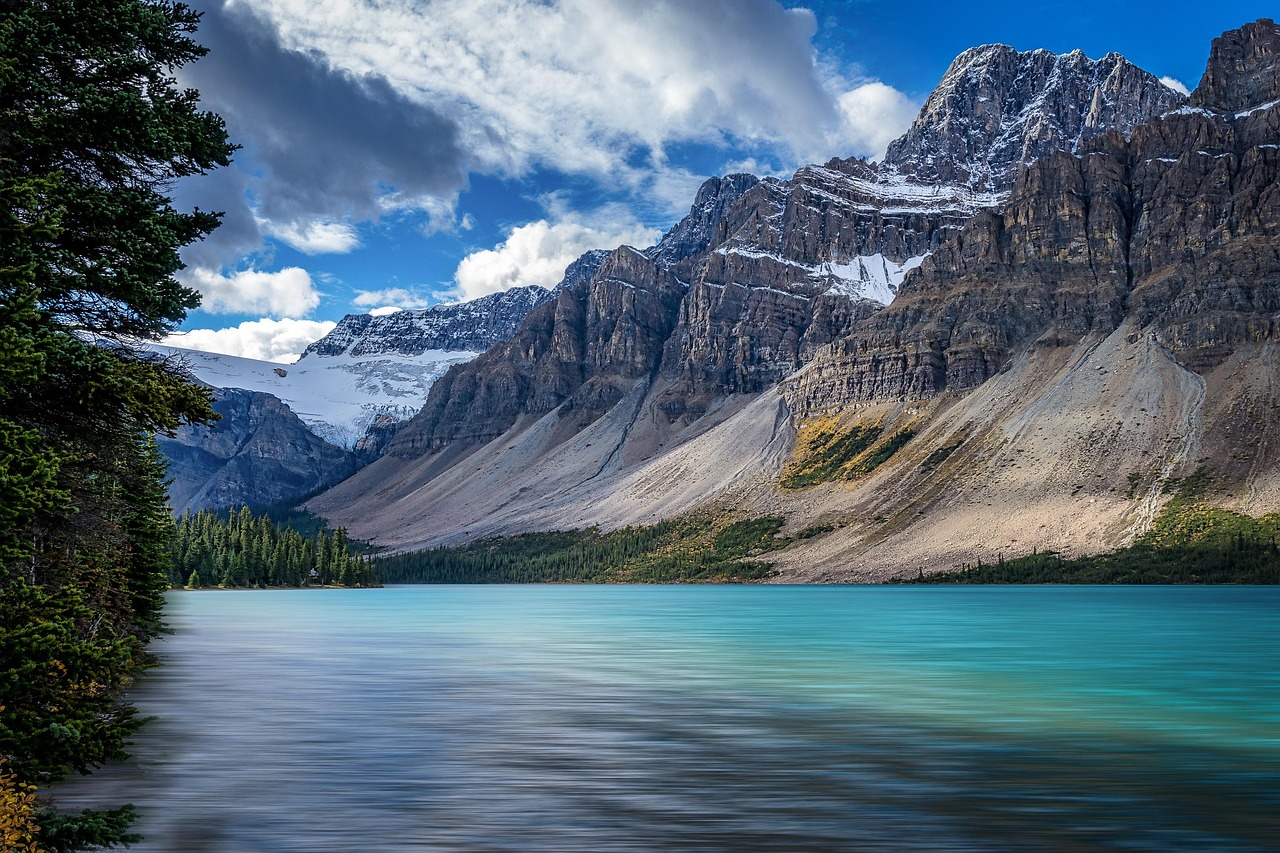
On January 26, 1915, President Woodrow Wilson put pen to paper and signed into law the Rocky Mountain National Park Act, preserving 230,000 acres of Colorado’s most breathtaking wilderness for future generations. What began as one man’s vision would become America’s tenth national park and one of the nation’s most cherished natural treasures.
A Fragile Paradise Under Threat
In the late 1800s, the mountains around Estes Park faced an uncertain future. The region that would become Rocky Mountain National Park was being carved up by competing interests, miners searching for gold and silver, loggers cutting down ancient forests, ranchers grazing cattle, and homesteaders staking claims on pristine wilderness. Towns like Lulu City and Dutchtown sprang up in the Never Summer Mountains during the 1870s mining boom, only to be abandoned by 1883 when the prospectors moved on.
The arrival of the railroad in nearby Lyons in 1881 and the completion of the Big Thompson Canyon Road in 1904 made the area more accessible than ever. Tourism was beginning to boom, but so was commercial exploitation. Without protection, this fragile alpine ecosystem faced the same fate as so many other western landscapes irreversible degradation in the name of profit.
The Father of a National Park
The man who would change everything arrived in Estes Park in 1885 as a sickly fourteen-year-old boy from Kansas. Enos Mills had been sent to Colorado by his doctor, who warned that the harsh demands of farm work combined with his chronic digestive ailment might prove fatal. The mountain air was supposed to be a cure.
It became far more than that. Mills fell deeply in love with the landscape around Longs Peak, building his first cabin at age fifteen and summiting the 14,259-foot mountain that same year. Over his lifetime, he would climb Longs Peak more than 300 times, becoming not just a skilled guide but a passionate interpreter of the natural world.
A chance encounter with legendary conservationist John Muir in 1889 transformed Mills from a nature enthusiast into a committed advocate. Muir, who had successfully fought to protect Yosemite as a national park, showed Mills a path forward. As Mills later wrote, Muir taught him “how and where to learn the language” of trees and wilderness.
A Six-Year Campaign
In 1909, Mills proposed the creation of an “Estes National Park,” quickly earning support from local businessmen through the Estes Park Protective and Improvement Association. But proposing a park and creating one were vastly different challenges.
For more than six years, Mills waged an exhausting campaign. He traveled across the country delivering speeches to groups like the Sierra Club and the Daughters of the American Revolution. He wrote thousands of letters and articles for popular magazines including The Saturday Evening Post, making the case that the Rocky Mountains deserved the same protection as Yosemite and Yellowstone. His writings and photographs brought the majesty of the high country to Americans who would never see it firsthand.
The opposition was formidable. Mining interests, logging companies, ranchers, and even the U.S. Forest Service resisted the idea of setting aside land that could be exploited commercially. Mills’ original vision encompassed roughly 1,000 square miles, stretching from the Wyoming border south to present-day Interstate 70, and from Lyons in the east to the Never Summer Mountains in the west.
After fierce debate and numerous compromises, Congress finally approved a much smaller park—just 360 square miles. But it was enough. On January 26, 1915, President Wilson signed the bill into law.
A Dream Realized
The official dedication ceremony took place later that year on September 4, 1915, in Horseshoe Park. Thousands gathered to celebrate the creation of America’s newest national park. Mills stood before the crowd and spoke words that would prove prophetic: “In years to come when I am asleep forever beneath the pines, thousands of families will find rest and hope in this park.”
Newspapers across Colorado celebrated the achievement, with the Denver Post honoring Mills as the “Father of Rocky Mountain National Park.” The Rocky Mountain News declared it “the crowning result of one of the best organized and most efficiently managed campaigns ever conducted by Colorado people.”
Building an Icon
The park’s creation was just the beginning. During the 1920s, a construction boom brought new lodges and roads to make the park more accessible to visitors. The most ambitious project came during the Great Depression, when President Franklin D. Roosevelt’s Civilian Conservation Corps recruited young men to build trails, facilities, and what would become the park’s crown jewel—Trail Ridge Road.
Constructed between 1929 and 1938, Trail Ridge Road became the highest continuous paved road in America, allowing visitors to experience the alpine tundra without arduous hiking. The park expanded to its current size of approximately 265,000 acres with the addition of the Never Summer Range in 1929.
A Legacy Beyond His Years
Enos Mills did not live to see the full flowering of his dream. In 1922, at just fifty-two years old, he died at his beloved Longs Peak Inn from complications of blood poisoning. Some said he died of a broken heart, discouraged by plans for commercial monopolies in the park he had fought so hard to protect.
But his legacy endured. Mills was more than just a conservationist, he pioneered the field of nature interpretation. In 1906, he established the Trail School, the first institution in America to train and certify naturalist guides. His 1920 book “Adventures of a Nature Guide” laid out principles that would eventually be adopted by the National Park Service and used in parks across the nation.
Today, Rocky Mountain National Park stands as one of America’s most visited national parks, attracting more than four million visitors annually. Ninety-five percent of the park is designated wilderness, protecting its fragile ecosystems and diverse wildlife from elk and bighorn sheep to black bears and mountain lions.
The park faces new challenges in the twenty-first century, including climate change, overuse, and the environmental impacts of the very tourism that helps justify its protection. Yet it remains a testament to the power of one person’s vision and the importance of preserving wild places for future generations.
As you drive Trail Ridge Road or hike to the summit of Longs Peak, you walk in the footsteps of Enos Mills the young Kansas farm boy who found healing in the mountains and gave America one of its greatest natural treasures. His statue stands in Estes Park today, a permanent reminder that the dedication of a single individual can change the landscape forever.