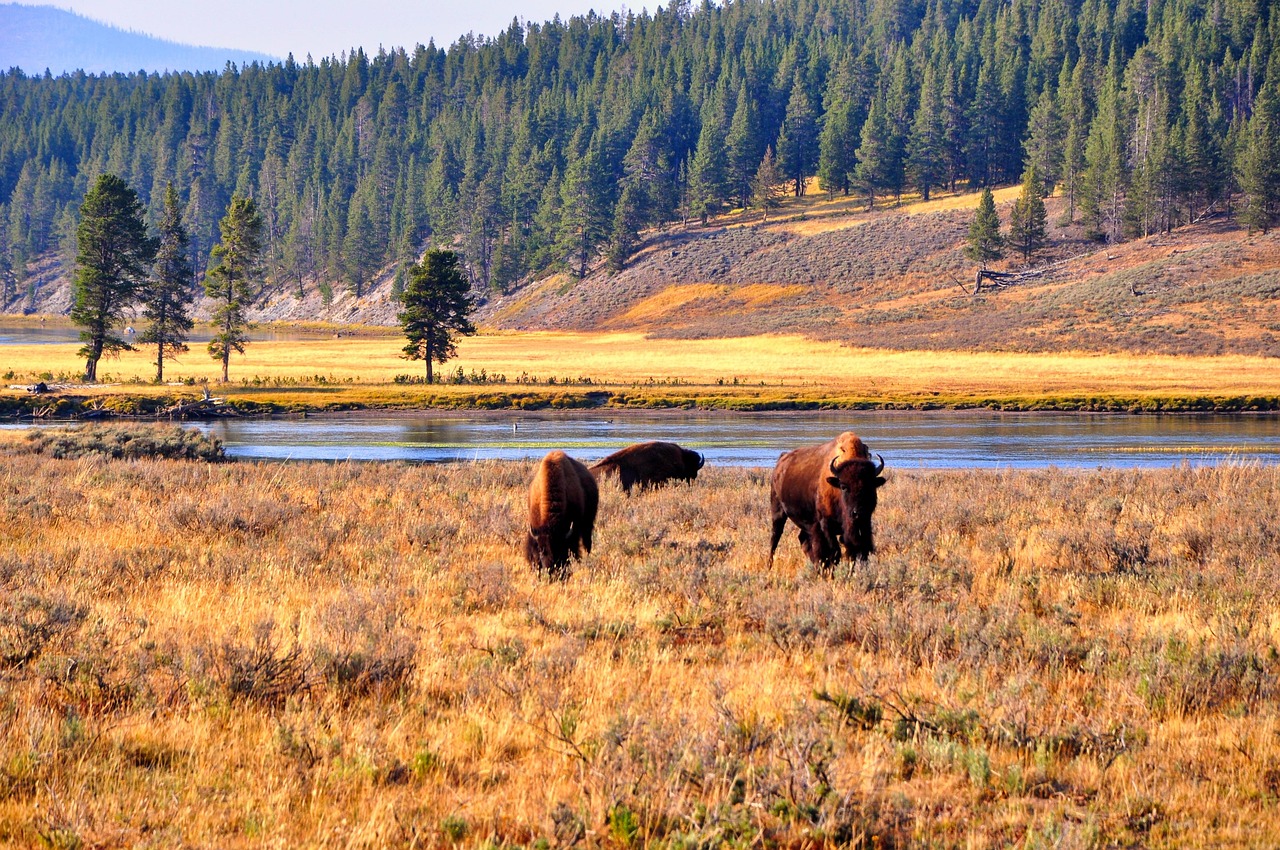
Today, July 10th, marks National Wyoming Day—a special occasion that celebrates one of America’s most historically significant states and commemorates its admission to the Union as the 44th state in 1890. This annual celebration highlights Wyoming’s pioneering spirit, rich heritage, and its groundbreaking role in advancing women’s rights in America.
A Historic Day for Statehood
On July 10, 1890, President Benjamin Harrison signed the Wyoming statehood bill, officially welcoming Wyoming into the United States as the 44th state. This milestone came after more than two decades as a territory, during which Wyoming overcame significant obstacles to achieve statehood.
The journey to statehood wasn’t without challenges. Wyoming’s population was estimated at less than the traditional 60,000-person minimum required for statehood, with only about 55,500 residents according to territorial reports. Despite this hurdle and some congressional opposition, Wyoming’s unique commitment to equality and democratic principles helped secure its place in the Union.
The Equality State: A Pioneer in Women’s Rights
Wyoming earned its nickname “The Equality State” through its groundbreaking commitment to women’s suffrage. On December 10, 1869—more than 20 years before achieving statehood—the Wyoming Territory became the first place in U.S. history to grant women the right to vote. Governor John Campbell signed this historic legislation, making Wyoming a trailblazer in the fight for gender equality.
This pioneering spirit continued well beyond voting rights. Wyoming achieved many other firsts for women in American politics:
- The first women to serve on a jury (Laramie, 1870)
- The first female court bailiff (Mary Atkinson, 1870)
- The first female justice of the peace (Esther Hobart Morris, 1870)
- The first elected female governor in U.S. history (Nellie Tayloe Ross, 1924)
When Wyoming applied for statehood, some in Congress opposed admission specifically because of women’s suffrage. However, Wyoming delegates stood firm, and the state constitution maintained women’s voting rights—making Wyoming the first state to enter the Union with full suffrage for women, predating the 19th Amendment by 30 years.
Rich Natural Heritage and Western Legacy
Wyoming’s appeal extends far beyond its political innovations. The state is renowned for its stunning natural landscapes and rich Western heritage. Home to Yellowstone National Park—America’s first national park, established in 1872—Wyoming attracts millions of visitors annually who come to witness the famous Old Faithful geyser and the country’s largest hot springs.
The state encompasses diverse geography across its 98,000 square miles, from the towering Grand Teton mountains to vast open plains that exemplify the American West. Wyoming’s cowboy culture has earned it the additional nickname “The Cowboy State,” with rodeo serving as the official state sport and the iconic Bucking Horse and Rider as its trademark symbol.
From Territory to Statehood
The Wyoming Territory was officially established on July 25, 1868, carved from portions of the Dakota, Utah, and Idaho territories. The region’s development was largely driven by railroad expansion, particularly the Union Pacific Railroad, which reached the mountain region in 1867 and led to the incorporation of Cheyenne.
The territory’s population grew slowly but steadily, supported by cattle ranching, mining operations, and railroad work. Despite its vast size and abundant natural resources, Wyoming remained sparsely populated—a characteristic that persists today, as it remains the least populous state in the United States with approximately 575,000 residents.
Celebrating Wyoming’s Legacy Today
National Wyoming Day provides an opportunity to reflect on Wyoming’s significant contributions to American democracy and Western heritage. The state’s commitment to equality, as demonstrated by its early adoption of women’s suffrage, set important precedents that influenced the entire nation.
Modern celebrations of Wyoming Day often include:
- Educational programs about state history and the suffrage movement
- Visits to Wyoming’s numerous national parks and historic sites
- Community events highlighting Western culture and traditions
- Recognition of Wyoming’s ongoing contributions to American energy and agriculture
A Continuing Legacy
Wyoming’s influence on American history extends well beyond its early commitment to women’s rights. The state continues to play a vital role in energy production, agriculture, and conservation. More than half of Wyoming’s land is federally owned, including national forests, grasslands, and military installations, reflecting the state’s importance to national interests.
National Wyoming Day, we honor not just a state’s admission to the Union, but a pioneering spirit that challenged conventions and advanced the cause of equality. Wyoming’s legacy reminds us that progress often comes from unexpected places and that principled stands on important issues can create lasting change.
Learning about its rich history, or simply reflecting on the importance of equality and democratic participation, National Wyoming Day offers a chance to appreciate one of America’s most influential and distinctive states—the Equality State that showed the nation the way forward.