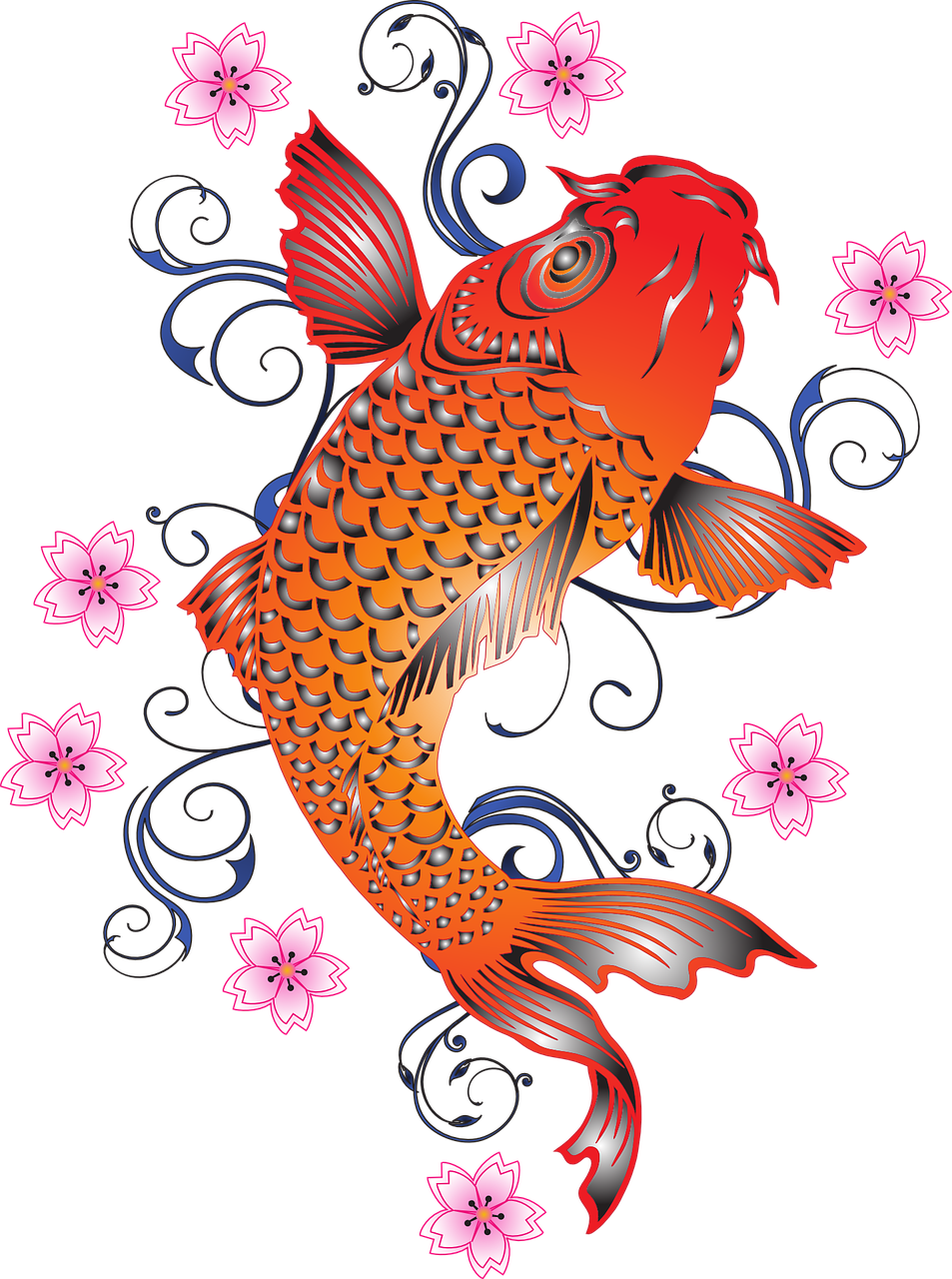
Every year on July 7th, fish enthusiasts and culture lovers across the United States come together to celebrate National Koi Day. This special observance is dedicated to honoring the magnificent Japanese koi fish, an ornamental species that has captured hearts worldwide with its vibrant colors and deep cultural significance.
The Origins of National Koi Day
The choice of July 7th as National Koi Day carries profound meaning. The date commemorates the death of Hanako, the world’s oldest recorded koi fish, who passed away on July 7, 1977. This remarkable scarlet koi was born in 1751 and lived for an astounding 226 years, far exceeding the typical lifespan of 40-50 years for Japanese koi. Hanako’s extraordinary age was determined through scientific analysis of her scales, which grow in rings similar to tree rings.
Understanding Koi Fish
Koi, more precisely known as Nishikigoi in Japanese, are ornamental varieties of the Amur carp that have been selectively bred for their stunning colors and patterns. The word “koi” derives from nishiki-goi, meaning “colored carp,” though some translations also suggest it means “love”. These magnificent fish originated in East Asia and were introduced to Japan from China, where systematic breeding began in the 1820s in Niigata Prefecture.
Initially, farmers bred these carp for food, but mutations led to unusual colorations that caught their attention. The breeding of ornamental koi began in Niigata, Japan, in the early 19th century, and by the 1870s, colored koi had become increasingly popular. Today, there are more than 100 varieties of koi, distinguished by their coloration, patterning, and scalation.
Cultural Significance and Symbolism
In Japanese culture, koi fish hold deep symbolic meaning. They represent courage, patience, perseverance, and strength, qualities that have been celebrated for centuries. Traditional legends tell of koi’s persistence and determination, describing how they swam against strong currents for a hundred years before transforming into dragons. This powerful imagery has made koi a symbol of overcoming adversity and achieving success through perseverance.
In Japanese culture, different colors of koi fish symbolize specific values such as wealth, love, good fortune, and success. The fish are so integral to Japanese identity that they can be found throughout homes, gardens, and shrines across the country.
Popular Koi Varieties
The diversity of koi varieties is truly remarkable. Some of the most recognized types include:
- Kohaku: White koi with red markings
- Showa: Black koi with red and white markings
- Sanke: White koi with red and black markings
- Ogon: Metallic koi in shades of gold, silver, and platinum
- Bekko: Red, white, or yellow koi with black markings
Identification of koi fish today depends primarily on the hues and patterns of their coloration, with the most common colors being white, red, orange, yellow, blue, and black.
How to Celebrate National Koi Day
There are many meaningful ways to observe National Koi Day:
Educational Activities: Take time to learn about koi fish and their connection to Japanese culture. Research the different varieties and their symbolic meanings, or explore the fascinating history of koi breeding and development.
Visit Koi Displays: Seek out local koi ponds, water gardens, or aquariums where you can observe these beautiful fish in person. Many botanical gardens and cultural centers feature koi ponds that offer peaceful viewing experiences.
Share on Social Media: Use hashtags like #NationalKoiDay to share photos, facts, or personal experiences with koi fish, helping to raise awareness about this special day.
Cultural Exploration: Dive deeper into Japanese culture and traditions, learning how koi fish fit into the broader context of Japanese art, literature, and philosophy.
A Living Legacy
National Koi Day celebrates the popularity that this fish species has gained through the years. What began as a practical farming endeavor in 19th-century Japan has evolved into a worldwide appreciation for these living jewels. The holiday serves as a reminder of the beauty that can emerge from patience, dedication, and respect for nature.
As we celebrate National Koi Day on July 7th, we honor not just the fish themselves, but the rich cultural heritage they represent. Whether you’re a seasoned koi enthusiast or someone discovering these magnificent creatures for the first time, this day offers an opportunity to appreciate the serene beauty and profound symbolism that koi fish bring to our world.
From their humble beginnings in Japanese rice paddies to their status as beloved ornamental fish worldwide, koi continue to inspire us with their resilience, beauty, and the timeless values they represent. National Koi Day ensures that the legacy of these remarkable fish – and the memory of ancient Hanako – lives on for generations to come.