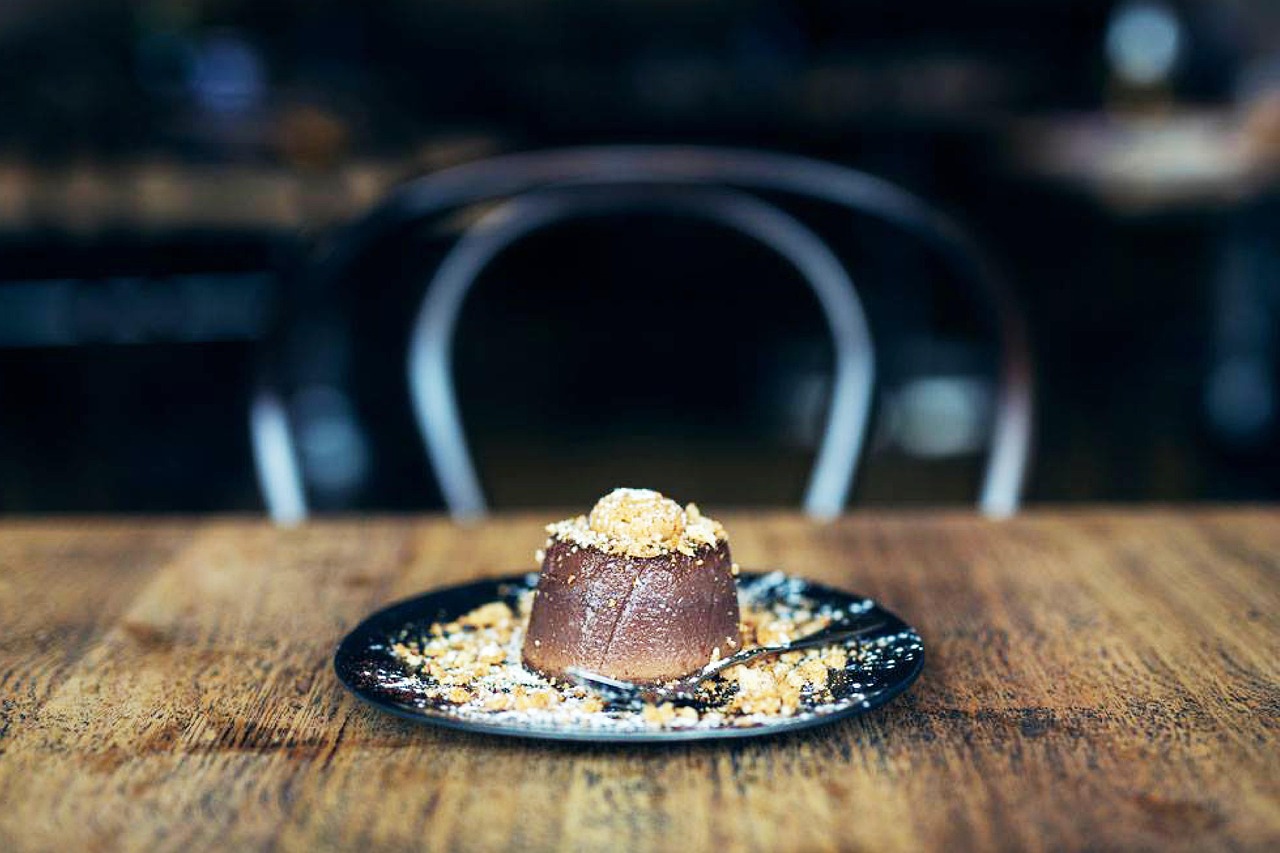
November 13 is National Indian Pudding Day, a small but meaningful reminder of one of America’s oldest regional desserts. Indian pudding is simple, warm, and a little old-fashioned, the kind of dish people made long before modern desserts filled grocery shelves.
The roots of Indian pudding go back to the early colonial days. Settlers arriving from England were familiar with “hasty pudding,” a mixture of wheat flour and milk cooked into a thick porridge. Wheat was harder to grow in New England, but cornmeal was everywhere, thanks to what they learned from Indigenous communities. So they adapted their recipe. Instead of wheat, they used cornmeal. Instead of refined sugar, they used molasses, which was common in port towns. Slowly, what began as a substitute became its own recipe.
Traditional Indian pudding is made from milk, cornmeal, molasses, butter, and a few warm spices like cinnamon or ginger. It bakes slowly for a long time, thickening into a dark, smooth pudding with a gentle sweetness. There’s nothing flashy about it. No icing, no layers, no decorations. Just a warm, comforting dish often served with a scoop of vanilla ice cream.
This was everyday food in early New England—simple ingredients that stretched through the week. It fed families during cold seasons, and it used what was easy to find. Over time, as faster and sweeter desserts became popular, Indian pudding became something mostly seen in old cookbooks, historical sites, and a few New England restaurants that still honor the tradition.
National Indian Pudding Day is a chance to slow down and appreciate a dessert that connects us to the past. You don’t need to be from New England to enjoy it or to recognize what it represents—resourcefulness, adaptation, and the comfort of warm food on a cold day.
Here are a few ways to mark the day:
- Try making Indian pudding at home using a traditional recipe.
- Serve it warm with ice cream and enjoy the contrast of hot and cold.
- Read about early American cooking and how settlers used what they had on hand.
- Share the dessert with someone who has never tried it and talk about old regional foods.
National Indian Pudding Day isn’t a loud holiday. It’s a quiet one, rooted in tradition, history, and the kind of cooking that takes time. Even if you only make it once a year, the warm, slow-baked flavor reminds you how simple ingredients can carry a long story through generations.