Today is May 19, and on this day in history, kitchens across America fill with the aroma of chocolate – rich, dark, and slightly forbidden. National Devil’s Food Cake Day sneaks up on the calendar like a chocolate craving at midnight.
The devil’s food cake emerged sometime in the early 1900s, when Victorian restraint was giving way to Jazz Age indulgence. Named for its sinfully rich texture, this cake stands as a small rebellion against moderation, against the idea that pleasure must be rationed and controlled.
Strange how we name our most decadent foods after the underworld. Devil’s food. Devil’s cut. Deviled eggs. As if pleasure itself must carry some warning label, some acknowledgment that sweetness comes with a price.
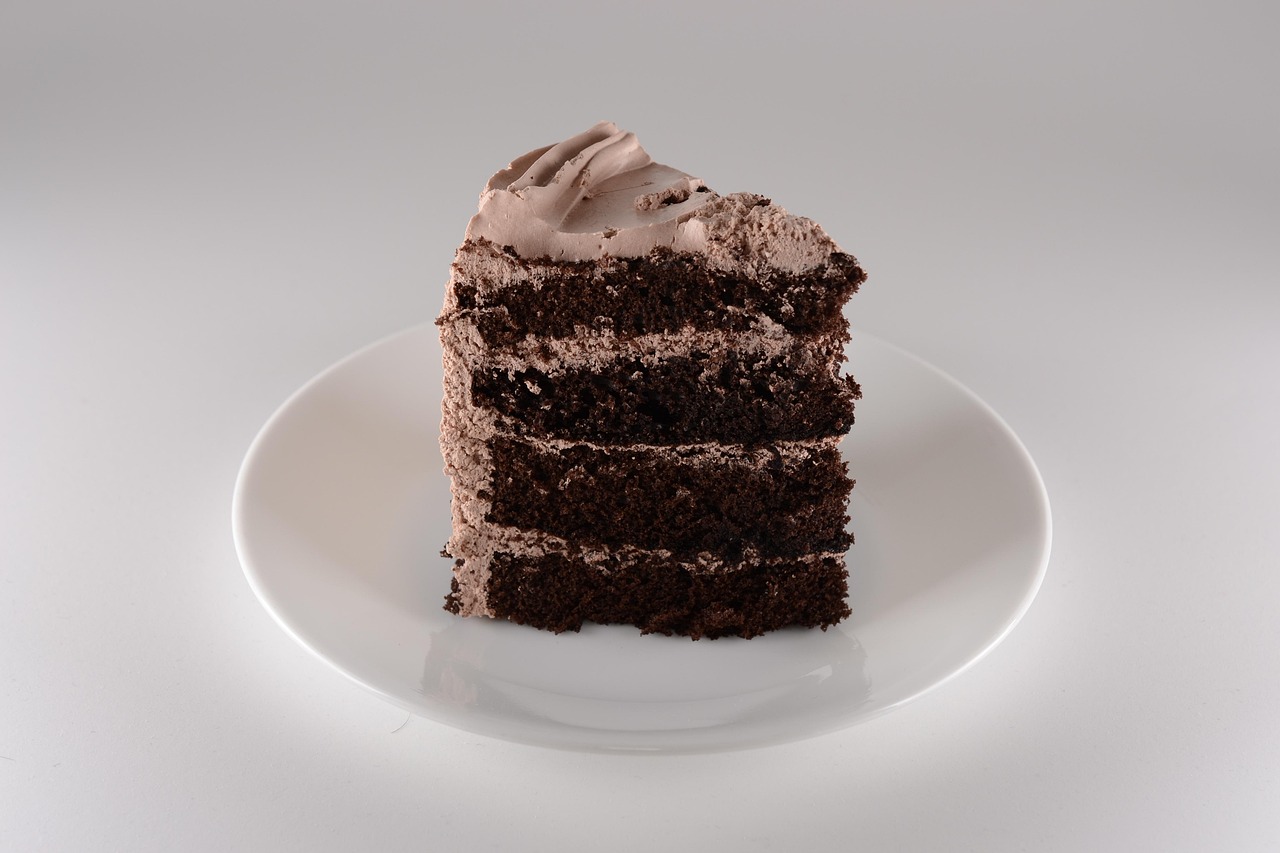
A slice of devil’s food cake sits heavy on the plate, almost black against white porcelain. Steam rises when you cut it open, the fork sinking through layers that collapse under their own weight. The first bite coats your tongue completely, overwhelming any competing flavor.
Before chocolate became commonplace in American pantries, it was rare, expensive – a luxury. The cake’s darkness was once a status symbol, a way of saying: look what we can afford to make black with cocoa. Now it’s democracy in dessert form, available at any bakery counter in the country.
What does it say about us that we celebrate this dark sweetness? That we’ve institutionalized indulgence with its own square on the calendar? Maybe it’s our acknowledgment that pleasure isn’t a sin after all, but part of what makes the human experience worth having.
The inventor of devil’s food cake is lost to history. Some anonymous baker who added extra cocoa, who whisked a bit longer, who decided that “too rich” wasn’t in their vocabulary. Whoever they were, they understood something essential about us – that restraint and indulgence need each other to exist, that the middle path sometimes runs straight through the chocolate aisle.
So today, as forks clink against plates and crumbs gather at the corners of mouths, a small celebration unfolds – not of devils or food exactly, but of our complicated relationship with pleasure, with sweetness, with the darkness we allow ourselves to taste, just every once in a while.