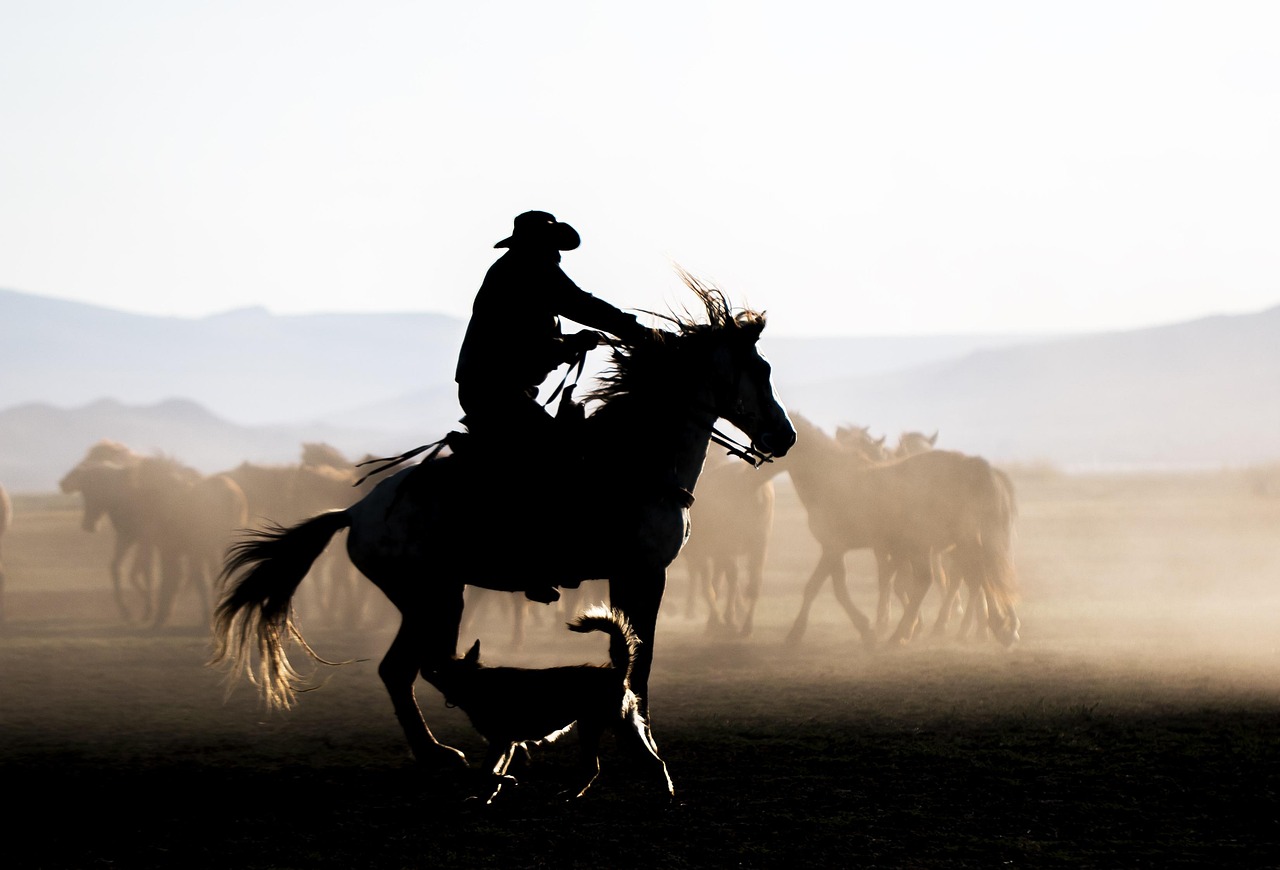
The spirit of the American West rides on as we honor the enduring legacy of cowboys and cowgirls across the nation
The sun rises over the plains today, casting long shadows across weathered boots and well-worn saddles, as America tips its hat to one of its most iconic figures. July 26, 2025—the fourth Saturday of July—marks National Day of the Cowboy, a celebration that proves the cowboy spirit is far from a relic of the past.
More Than Hollywood’s Wild West
While Hollywood may have romanticized the image of the lonesome cowboy riding into the sunset, today’s celebration honors something much deeper: the real men and women who built the American West through grit, determination, and an unbreakable bond with the land.
The cowboy tradition traces its roots to the Spanish vaqueros, skilled horsemen who managed cattle herds across vast territories. After the Civil War, as the nation expanded westward, these traditions took hold in Texas and spread across the frontier. Cowboys drove millions of cattle along famous trails like the Chisholm Trail, connecting remote ranches to railroad towns and feeding a growing nation.
“Cowboys represent the best of American values—hard work, self-reliance, and integrity,” explains rancher Tom Mitchell, whose family has worked cattle in Montana for four generations. “We’re not just preserving history; we’re living it every day.”
A Holiday Born from Heritage
National Day of the Cowboy began in 2005 when the National Day of the Cowboy organization sponsored legislation in Wyoming to preserve cowboy culture and heritage. The movement gained momentum, and by 2008, Congress passed a resolution recognizing the fourth Saturday in July as National Day of the Cowboy. Today, fifteen states have officially adopted the celebration.
The timing isn’t coincidental—July traditionally marks the height of rodeo season, when communities across the West come alive with competitions, parades, and celebrations that showcase authentic cowboy skills like bronc riding, calf roping, and barrel racing.
Beyond the Stereotype
Today’s cowboys and cowgirls work in all 50 states, not just the traditional Western regions. They use modern technology alongside time-tested techniques, managing sustainable ranching operations that feed millions while stewarding vast landscapes. From solar-powered water systems to GPS-guided cattle management, the modern cowboy adapts while maintaining core values.
“People think cowboys are stuck in the past, but we’re innovators by necessity,” says Maria Gonzalez, a ranch manager in New Mexico. “We use drones to monitor herds and satellite data to manage grazing, but at the end of the day, it still comes down to horsemanship and understanding cattle.”
The cowboy code—honesty, courage, and respect for the land—resonates beyond ranching communities. These values have shaped American culture, from literature and music to business ethics and environmental stewardship.
Celebrating Coast to Coast
Across the nation today, museums, ranches, and communities are hosting events that bring cowboy culture to life. The National Cowboy & Western Heritage Museum in Oklahoma City features demonstrations by renowned cowboy cook Kent Rollins, while the Fort Worth Stockyards hosts its 19th Annual National Day of the American Cowboy with rodeos, live music, and family activities.
Even urban areas join the celebration. City dwellers don Western wear, line dance lessons fill community centers, and cowboy poetry readings echo in unlikely venues. The celebration recognizes that the cowboy spirit isn’t confined to rural areas—it’s about values that transcend geography.
Preserving Living History
The National Day of the Cowboy serves a crucial purpose: ensuring that authentic Western heritage doesn’t disappear in an increasingly digital world. Museums preserve artifacts and stories, but the real preservation happens on working ranches where traditions pass from one generation to the next.
Educational programs connect young people with cowboy culture, teaching not just riding and roping skills, but the deeper lessons of responsibility, perseverance, and environmental stewardship. 4-H clubs, youth rodeos, and ranch internships keep these traditions alive for future generations.
The Cowboy Way Forward
As America faces challenges from climate change to food security, the cowboy tradition offers valuable insights. Sustainable ranching practices developed over generations provide models for environmental stewardship. The cowboy’s deep connection to land and livestock offers lessons in patience, observation, and adaptation.
“Cowboys have always been conservationists by necessity,” notes Dr. Sarah Williams, a historian specializing in Western culture. “They understood that taking care of the land meant it would take care of you. That wisdom is more relevant than ever.”
A Timeless Legacy
Today’s celebration reminds us that the cowboy represents more than a historical period—it embodies an ongoing American story of resilience, independence, and connection to the land. Whether working cattle on a Montana ranch, competing in a Texas rodeo, or simply embodying the values of honesty and hard work in daily life, the cowboy spirit endures.
As the sun sets on National Day of the Cowboy 2025, the celebration continues year-round in communities across America. The cowboy may have started as a job, but it evolved into something larger: a symbol of the American spirit that refuses to be fenced in.
So tip your hat today to the cowboys and cowgirls who built the West and continue to shape America’s future. Their legacy rides on, as enduring as the wide-open spaces they call home.
Happy trails, and happy National Day of the Cowboy.
About National Day of the Cowboy: Established in 2005 and recognized by Congress in 2008, National Day of the Cowboy falls annually on the fourth Saturday in July. For more information about events and the ongoing effort to preserve cowboy heritage, visit the National Day of the Cowboy organization’s website.