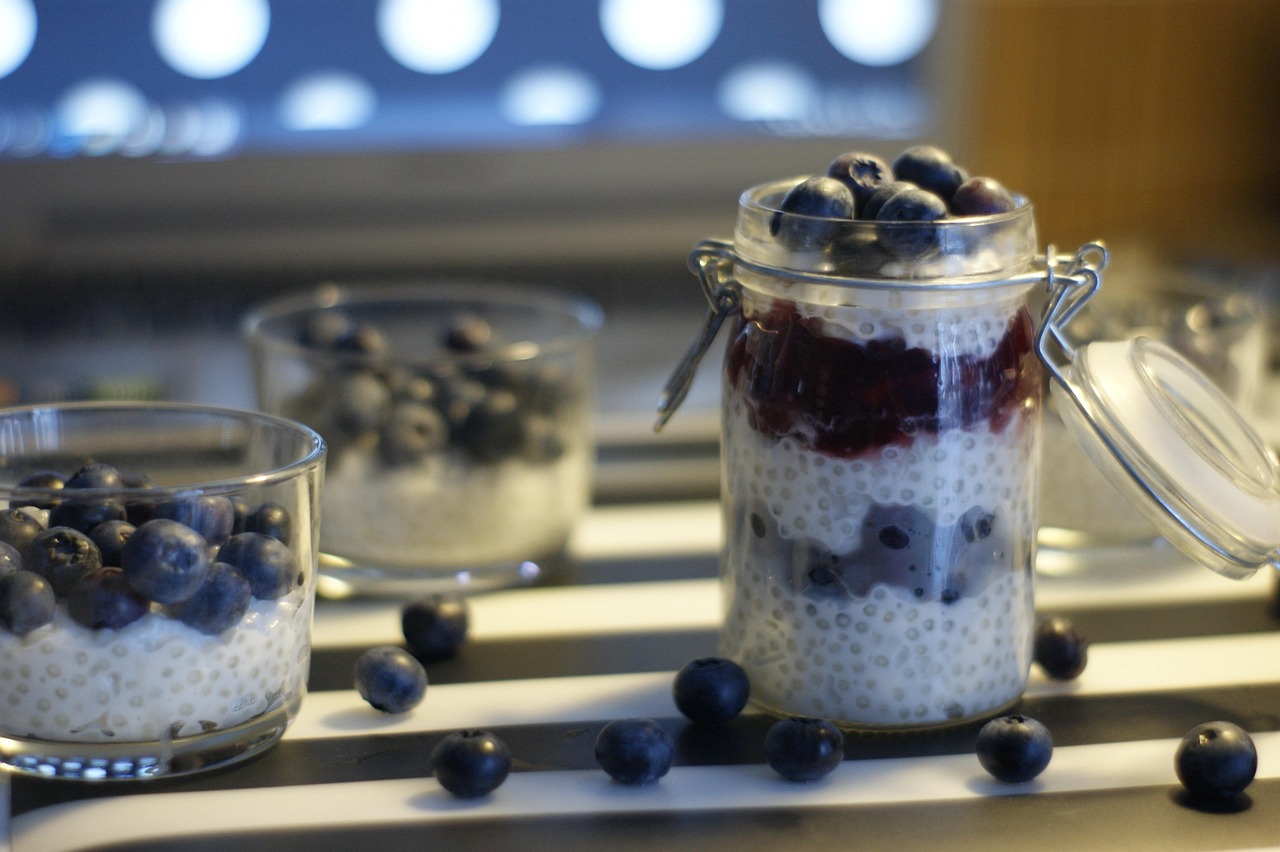
Tapioca, often found in the form of small, glossy pearls, has a quiet kind of intrigue about it. Made from the starch of the cassava root, tapioca is a staple in many kitchens around the world—but it’s the transparency of those delicate spheres that captures the imagination. When cooked, they transform from opaque white to something almost magical: clear, jelly-like orbs that seem to vanish into tea, pudding, or soup until the light hits them just right.
That transparency is more than just a visual effect—it’s a fascinating result of the starch’s molecular behavior. Raw tapioca pearls are dense and cloudy, but once boiled, the starch granules swell and soften. Water replaces the air and tight granules, and what you’re left with is a hydrated matrix that allows light to pass through. This is what gives the pearls their glassy, see-through quality.
There’s something poetic about it, really. In a world so often layered in complexity and concealment, here is a food that is literally see-through. It doesn’t hide its texture, it doesn’t disguise its presence—yet it complements almost anything it’s added to. In a cup of bubble tea, the pearls sit at the bottom like translucent gems. In tapioca pudding, they float gently in creamy suspension, catching the light like dew on a spiderweb.
But tapioca’s transparency isn’t just physical—it has a kind of metaphorical clarity too. It’s neutral in taste, not vying for attention, simply enhancing whatever it’s part of. It takes on the flavors around it, adapts, blends in. In this way, tapioca is a culinary listener. It absorbs. It reflects.
For many, especially in Western countries, tapioca is an occasional treat—something whimsical, a bit exotic. But in other cultures, it’s a daily staple. In parts of Asia, Africa, and South America, tapioca in all its forms—flour, pearls, flatbreads, or puddings—is a source of nourishment and tradition.
So the next time you see those little transparent spheres swirling in your tea or nestled in a dessert dish, take a second look. There’s something quietly beautiful about their clarity, their humility, and their ability to become part of something greater without demanding the spotlight. Like a windowpane, tapioca lets the world shine through.